Cyberbond 2003
1 of 34 products in this brandRTU Product Type: 1K (1 component) Adhesive, Reactive Adhesive, Solvent free (100% Solids) Adhesive
Application Area: Car, Electronic Assemblies, Industrial Assembly, Medical Devices, Transportation Application
Compatible Substrates & Surfaces: Alloy Steel, Aluminum Alloys, Brass, Bronze, Copper, Elastomers & Rubbers, Ethylene Propylene Diene Monomer (EPDM), Galvanized Steel, Metal, Steel
Chemical Family: Cyanoacrylates
Features: Chemical Resistant, Fast Setting, Good Solvent Resistance, High Speed Gluing, Low Viscosity
Enhanced TDS
Identification
- Chemical Family
- GBU
- RTU Product Type
- Categories
-
Applications
- Application Area
- Compatible Substrates & Surfaces
- Segment
Applications & Uses
- Additional Information
-
Technical User Information:
- Cyanoacrylates are single-component, solvent-free, and fast-curing adhesives.
- Polymerization is initiated in the presence of moisture. Optimal results are achieved with a relative humidity between 40 and 70%.
Implementation:- The surfaces must be clean and free of grease.
- Apply the adhesive to only one of the two surfaces. Spread it evenly to leave only a thin layer after compression.
- Carefully assemble and press the parts firmly together until the adhesive sets. Maximum strength is typically reached after 24 hours. The product must reach this strength before being subjected to service loads.
- Curing Performance
-
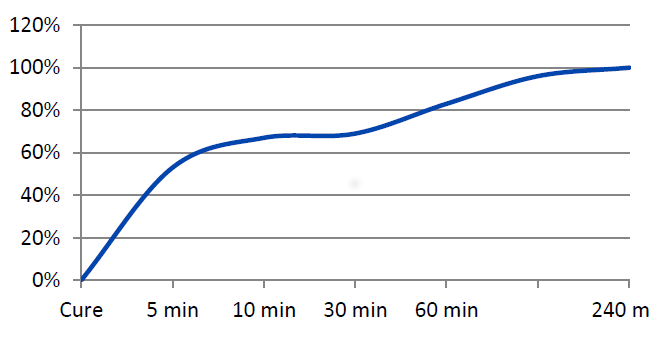
Ambient surface moisture initiates the curing process. Handling strength is reached in a short time, and will vary based on environmental conditions, bond line gap, and other factors. Product will continue to cure for at least 24 hours before full strength and solvent resistance is developed
- General Instructions
-
- Surfaces to be bonded should be clean and dry. Dispense a drop or drops to one surface only. Apply only enough to leave a thin film layer after compression. Press parts together and hold firmly for a few seconds. Good contact is essential.
- An adequate bond develops in less that one minute and maximum strength is attained in 24 hours. Wipe off excess adhesive from the top of the container and recap. products if left uncapped may deteriorate by contamination from moisture in the air.
- Because products cure by polymerization, whitening may appear on the surface of the container or the bonded materials. This will not affect adhesive performance.
Features
- Ready-to-Use Product Features
Packaging & Availability
- Regional Availability
Physical Properties
- Color (Properties)
- Physical Form
Properties
- Density:
-
1060 kg/m³
- Flash Point:
-
85 °C
- Shear Strength:
-
20.1188 MPa
- Specific Gravity:
-
1.06
- Viscosity:
-
30~70 cps
- Note
-
*** Performance of cured adhesive on Stainless Steel
- Cured Properties
-
Value Units Test Method / Conditions Cure Time (full) 24 hours - Service Temperature Range - 55 to 95 °C - - Typical Properties
-
Value Units Test Method / Conditions Fixture Time 10 seconds - Shear Strength*** 2920 psi - Temperature Range -67 to 203 °F - - Technical Data
-
Value Units Test Method / Conditions Density 1.05 g/cm³ - Specific Gravity 1.06 - - Viscosity (at 20 - 25°C) 30 - 70 cPs Brookfield SC4-27 - Uncured Properties
-
Value Units Test Method / Conditions Flash Point 85 °C - Set Time (Acrylonitrile Butadiene Styrene) 5 - 7 seconds - Set Time (Ethylene Propylene Diene Monomer) 4 - 10 seconds - Set Time (steel, uncured) 10 - 50 seconds - - Application Properties
-
Value Units Test Method / Conditions Relative Humidity 40 - 70 % -
Regulatory & Compliance
- Certifications & Compliance
Storage & Handling
- Storage Condition
-
Containers should be stored in a cool, dry, dark area. Storage temperature 15.5°C - 25°C, without exposure to direct light or heat. Do not refrigerate.
- Storage Condition
-
- Cyberbond 2003 should be used within the shelf life in accordance with the packaging unit.
- Storage stability applies only to material stored under appropriate conditions (original container closed, recommended storage temperature). Products must be stored in sealed packaging in a cool, dry place, away from sunlight.
- Shelf Life
-
12 months (uncured)
Technical Details & Test Data
- Heat Aging
-
aged at temp indicated and tested at 22°C

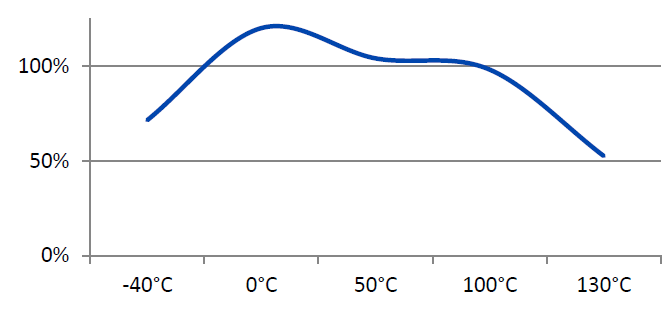
- Hot Strength
-
%RT strength, tested at temperature
- Performance Range by Substrate
-
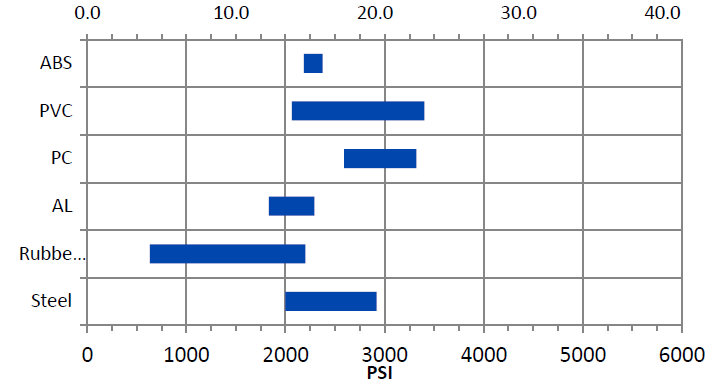
- Performance of Cured Adhesive
-
Substrate N/mm² Steel 13.8 - 20.1 Rubber* 4.3 - 15.2 AL 12.6 - 15.8 PC** 17.9 - 22.9 PVC** 14.2 - 23.4 ABS** 15.1 - 16.4 * - Rubber figures given are typical. Your results may vary by specific rubber type.
** - Tested to ASTM 4501
- Solvent Resistance
-
Solvent Example Resistance Alcohol Ethanol, Methanol +++ Ester (aromatic) Ethylacetate +++ Ketone (aromatic) Acetone, Benzophenone --- Weak aqueous base sodium hydroxide solution, caustic potash +++ (--- if concentrated)
Aliphatic hydrocarbon (alkanes) Petrol, Heptanes, Hexane ++- Halogenated hydrocarbons Methylenchloride, Chloroform, Chlorobenzol --- Weak aqueous Nitrite, muriatic acid, sulphuric acid, phosphoric acid +++ (--- if concentrated)
- Solvent Resistance
-
Solvent Resistance Resistance Level Examples Alcohols +++ ethanol, methanol
Aliphatic hydrocarbons (alkanes) ++- essence, heptanes, hexane
Aromatic hydrocarbons ++- benzyl, toluene, xylene
Ester (aliphatic) --- ethyl acetate Halogenated hydrocarbons --- methylene chloride, chloroform, benzene chloride
Ketone (aromatic) --- acetone, benzophenone
Weak acids +++ nitric acid, muriatic acid (or hydrochloric), sulfuric, phosphoric
Concentrated acids --- nitric acid, muriatic acid, sulfuric acid, phosphoric acid
Weak bases +++ sodium hydroxide solution, caustic potash
Concentrated bases --- sodium hydroxide solution, caustic potash
Water ++- - Technical Data
-
Fig: 1 - Strength of the Cured Adhesive
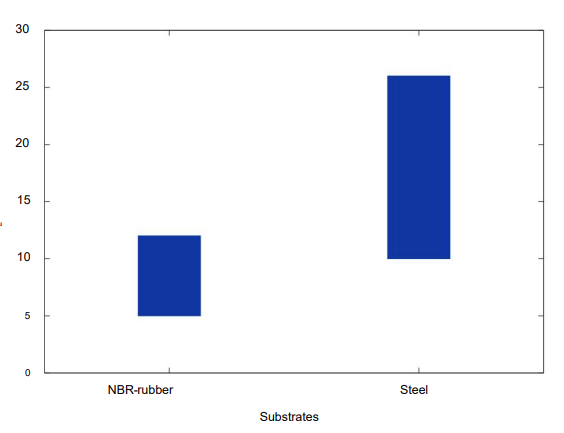
Fig: 2 - Heat resistance (voltage %RT, thermally tested)
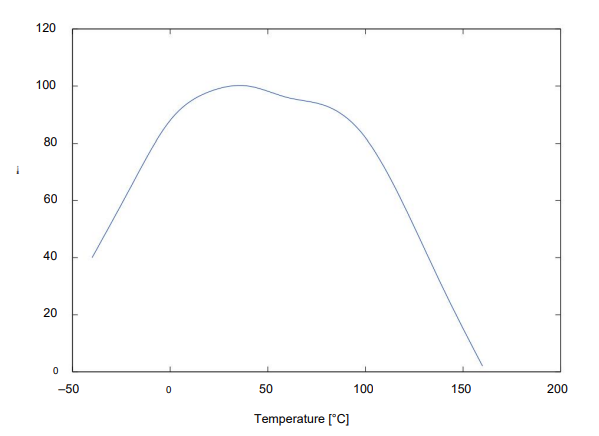
Fig: 3 - Time until complete hardening
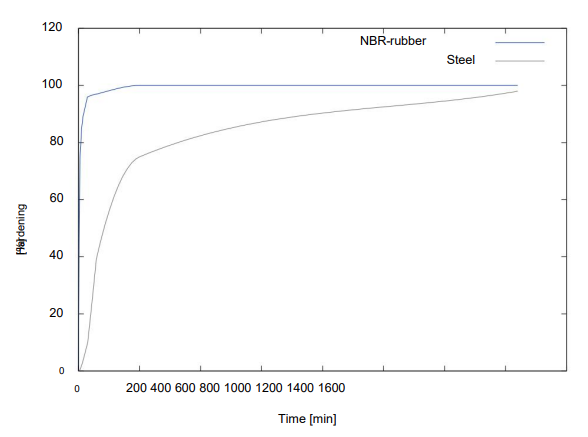
Fig: 4 - Thermal aging on steel (aged at the indicated temperature and tested at 20°C)
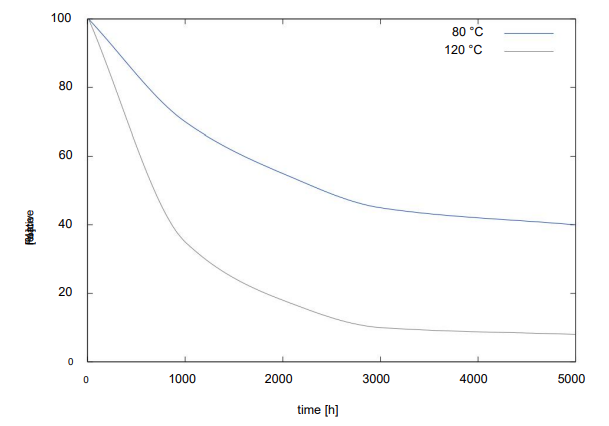
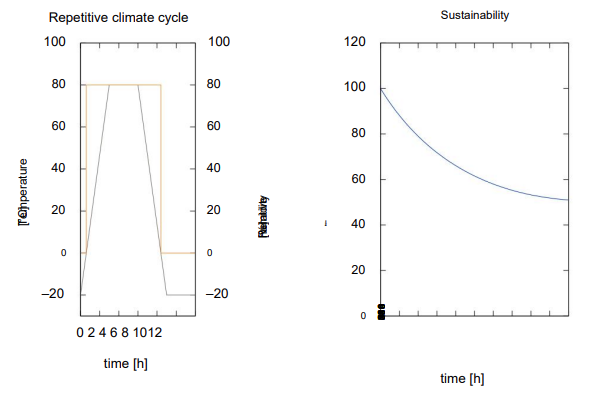
Fig: 5 - Durability after storage in alternating climates
- Time Until Full Cure (% of RT strength)
-